



Trakem Tramadol 100 mg – Uses, Side Effects, Dosage & Safety Information
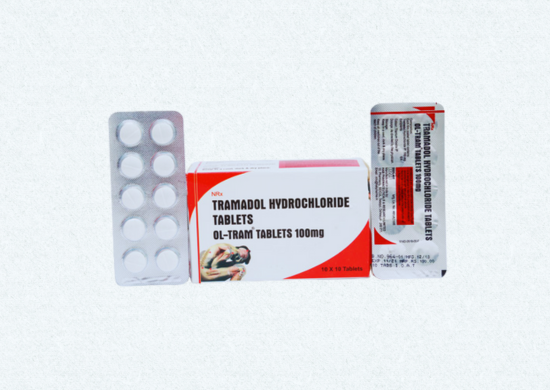
Trakem Tramadol Buy Online USA Pharmacy
Trakem Tramadol 100 mg contains tramadol hydrochloride 100 mg, a prescription opioid pain reliever used to manage certain types of moderate to moderately severe pain. It works on the central nervous system to change how the brain and body perceive pain.
Because tramadol is an opioid, it can cause drowsiness, dependence, misuse, addiction, and potentially life-threatening breathing problems. It should only be taken exactly as prescribed by a qualified healthcare professional.
This guide explains what Trakem Tramadol 100 mg is used for, how it works, possible side effects, drug interactions, and important precautions.
Important: This information is for educational purposes and is not a substitute for medical advice. Do not start, stop, or change your tramadol dose without speaking with your healthcare provider.
What Is Trakem Tramadol 100 mg Used For?
Doctors may prescribe tramadol when pain is significant enough to require prescription treatment and other pain-relief options are not suitable or have not provided adequate relief.
Depending on the patient’s condition, tramadol may be prescribed for:
- Moderate to moderately severe acute pain
- Certain chronic pain conditions
- Pain that has not responded adequately to non-opioid pain medicines
- Situations where an opioid pain reliever is considered appropriate following a medical assessment
Tramadol is not appropriate for everyone. Your healthcare provider will consider your medical history, other medications, age, and the cause and severity of your pain before prescribing it.
How Does Tramadol Work?
Tramadol helps relieve pain in two main ways.
First, it acts on opioid receptors in the central nervous system, reducing the perception of pain. It also affects the reuptake of serotonin and norepinephrine, neurotransmitters involved in the body’s pain-signaling pathways.
Because of these effects, tramadol can interact with several medications, particularly medicines that also affect serotonin or the central nervous system.
Before Taking Trakem Tramadol 100 mg
Before starting tramadol, tell your doctor about any medical conditions you have and all medicines or supplements you take.
Your healthcare provider should know if you have:
- Kidney or liver disease
- Asthma, COPD, sleep apnea, or another breathing disorder
- A history of seizures or epilepsy
- Depression or another mental health condition
- A history of alcohol or substance misuse
- An opioid-use disorder or previous problems with opioid medicines
- An allergy to tramadol or other opioids
- Pregnancy or plans to become pregnant
- A need to breastfeed
Your doctor may need to adjust your treatment or choose another pain-relief option depending on your circumstances.
How to Take Trakem Tramadol 100 mg
Take Trakem Tramadol exactly as prescribed. Do not take a larger dose, take it more frequently, or use it for longer than your healthcare provider recommends.
General safety instructions include:
- Take the medicine according to your prescribed schedule.
- Swallow tablets with water unless your healthcare professional gives you different instructions.
- Never take more than the prescribed amount.
- If you have been prescribed an extended-release formulation, swallow it whole. Do not crush, chew, or break it unless specifically instructed.
- Do not share tramadol with another person, even if they have similar pain.
- If you have been taking tramadol regularly for an extended period, do not stop suddenly without medical advice. Your healthcare provider may gradually reduce the dose to minimize withdrawal symptoms.
The correct dose depends on the specific tramadol formulation, your age, medical conditions, other medicines, and the reason it was prescribed.
Tramadol 100 mg Safety Information
Tramadol can make you sleepy, dizzy, or less alert, particularly when you first start taking it or when your dose changes.
Until you know how tramadol affects you:
- Avoid driving or operating machinery.
- Avoid alcohol.
- Be careful when taking other medicines that cause drowsiness.
Combining tramadol with alcohol, benzodiazepines, other opioids, sleeping medicines, or other central nervous system depressants can increase the risk of profound sedation, breathing problems, coma, and death.
Tramadol can also increase the risk of seizures, particularly in people who are susceptible or who take certain interacting medicines.
Common Side Effects of Trakem Tramadol 100 mg
Some people experience side effects while taking tramadol. Common side effects can include:
- Nausea
- Dizziness
- Drowsiness
- Constipation
- Headache
- Dry mouth
Some side effects may become less noticeable as your body adjusts to the medicine. However, persistent, severe, or worsening symptoms should be discussed with your healthcare provider.
Serious Side Effects: When to Get Medical Help
Tramadol can cause serious and potentially life-threatening reactions.
Seek urgent medical attention if you experience:
- Slow, shallow, or difficult breathing
- Extreme sleepiness or difficulty waking up
- Loss of consciousness
- A seizure
- Severe allergic symptoms such as swelling of the face or throat or significant difficulty breathing
- Severe confusion, agitation, fever, muscle stiffness, or a rapid heartbeat
These symptoms can indicate serious complications such as opioid overdose, respiratory depression, seizures, a severe allergic reaction, or serotonin syndrome.
If you suspect an opioid overdose, seek emergency medical assistance immediately.
Tramadol Drug Interactions
Before taking Trakem Tramadol 100 mg, give your doctor and pharmacist a complete list of your medicines, vitamins, and herbal supplements.
Important potential interactions include:
- Other opioid pain medicines
- Benzodiazepines
- Sleeping medicines and sedatives
- SSRIs and SNRIs
- MAO inhibitors
- Certain antidepressants
- Muscle relaxants
- Alcohol
- Medicines that can increase seizure risk
Some combinations can increase sedation and breathing problems, while others may increase the risk of seizures or serotonin syndrome.
Never assume that a medicine is safe to combine with tramadol simply because it is available without a prescription. Check with your healthcare provider or pharmacist first.
Who Should Not Take Trakem Tramadol 100 mg?
Tramadol may not be suitable for people with certain medical conditions or medication combinations.
It should not be used by people with a known allergy to tramadol. It may also be inappropriate in people with significant breathing problems, certain medication interactions, or other conditions where opioid treatment presents an unacceptable risk.
Your healthcare provider should determine whether tramadol is appropriate for you.
Tramadol During Pregnancy and Breastfeeding
If you are pregnant, planning to become pregnant, or breastfeeding, speak with your healthcare provider before taking tramadol.
Opioid exposure during pregnancy can cause problems for the newborn, including withdrawal symptoms. Tramadol can also pass into breast milk and may pose risks to a nursing infant.
Your doctor can help you weigh the potential benefits and risks and determine the safest treatment option for your situation.
Can Tramadol Be Habit-Forming?
Yes. Tramadol can be habit-forming.
Although it may be perceived as a milder opioid, tramadol can still cause misuse, addiction, tolerance, physical dependence, and withdrawal.
The risk can increase with prolonged use, higher doses, or use outside the prescribed instructions.
Never give your tramadol to someone else, and keep it stored securely.
Can You Drink Alcohol While Taking Tramadol?
It is best to avoid alcohol while taking tramadol.
Alcohol can increase the sedating effects of tramadol and may raise the risk of severe drowsiness, impaired coordination, respiratory depression, overdose, and other serious complications.
If you regularly drink alcohol, discuss this with your healthcare provider before using tramadol.
Can You Drive After Taking Trakem Tramadol 100 mg?
Tramadol may cause dizziness, sleepiness, blurred or impaired thinking, and slower reactions.
Do not drive, cycle, or operate heavy machinery until you know how the medicine affects you. If tramadol makes you drowsy or affects your concentration or coordination, do not perform activities that require full alertness.
What Should You Do If You Miss a Dose?
What to do after missing a dose depends on the type of tramadol you have been prescribed and your dosing schedule.
In general, do not take an extra dose to make up for a missed one. Follow the instructions provided with your prescription or contact your pharmacist or healthcare provider if you are unsure what to do.
If you frequently forget doses, ask your healthcare professional for advice on managing your medication schedule.
Can Older Adults Take Trakem Tramadol 100 mg?
Older adults may be more sensitive to the effects of tramadol, including dizziness, drowsiness, confusion, constipation, and breathing problems.
Kidney or liver function can also change with age, which may affect how the medicine is processed.
For this reason, older adults may require additional monitoring or a different dosing approach. The appropriate dose should be determined by a healthcare professional.
How Should Tramadol Be Stored?
Keep Trakem Tramadol in a safe place and follow the storage instructions provided with your medicine.
General precautions include:
- Store it at the recommended room temperature.
- Keep it away from excessive heat and moisture.
- Keep the medicine in its original packaging when possible.
- Store it securely and out of reach of children and pets.
- Dispose of unused medication through an appropriate medication take-back or disposal program when available.
Because tramadol is an opioid, secure storage is particularly important.
Frequently Asked Questions About Trakem Tramadol 100 mg
Is Trakem Tramadol 100 mg an opioid?
Yes. Tramadol is an opioid analgesic. It works partly through opioid receptors and also affects serotonin and norepinephrine pathways involved in pain processing.
Is Trakem Tramadol 100 mg addictive?
Yes. Tramadol can lead to misuse, addiction, tolerance, and physical dependence. Use it only as prescribed and never share it with another person.
Can I drink alcohol while taking Trakem Tramadol?
Alcohol should generally be avoided while taking tramadol because the combination can increase sedation and the risk of dangerous breathing problems and overdose.
Can I drive after taking Trakem Tramadol 100 mg?
Not until you know how tramadol affects you. Dizziness, drowsiness, and impaired concentration can make driving unsafe.
What happens if I take too much tramadol?
Taking more tramadol than prescribed can result in an overdose. Warning signs include extreme sleepiness, difficulty waking, slow or difficult breathing, loss of consciousness, or seizures. Seek emergency medical help immediately if an overdose is suspected.
Can I stop tramadol suddenly?
If you have been taking tramadol regularly, stopping suddenly can cause withdrawal symptoms. Talk to your healthcare provider before stopping so they can determine whether your dose should be reduced gradually.
Can older adults take Trakem Tramadol 100 mg?
Some older adults can take tramadol, but they may be more vulnerable to side effects and medication complications. A healthcare professional should determine whether it is appropriate and what dose is safest.
Final Thoughts
Trakem Tramadol 100 mg can provide prescription-strength pain relief for certain patients, but it is not a risk-free medicine. Because tramadol is an opioid that also affects serotonin and norepinephrine, it can interact with other medicines and may cause serious side effects.
Take it only according to your healthcare provider’s instructions, avoid alcohol and other sedating substances unless your clinician specifically advises otherwise, and seek urgent medical attention for breathing difficulties, seizures, loss of consciousness, or suspected overdose.
Medical disclaimer: This article is intended for general educational purposes and should not replace advice from a doctor, pharmacist, or other qualified healthcare professional. Medication decisions should always be based on your individual medical history and treatment plan.