


Menu

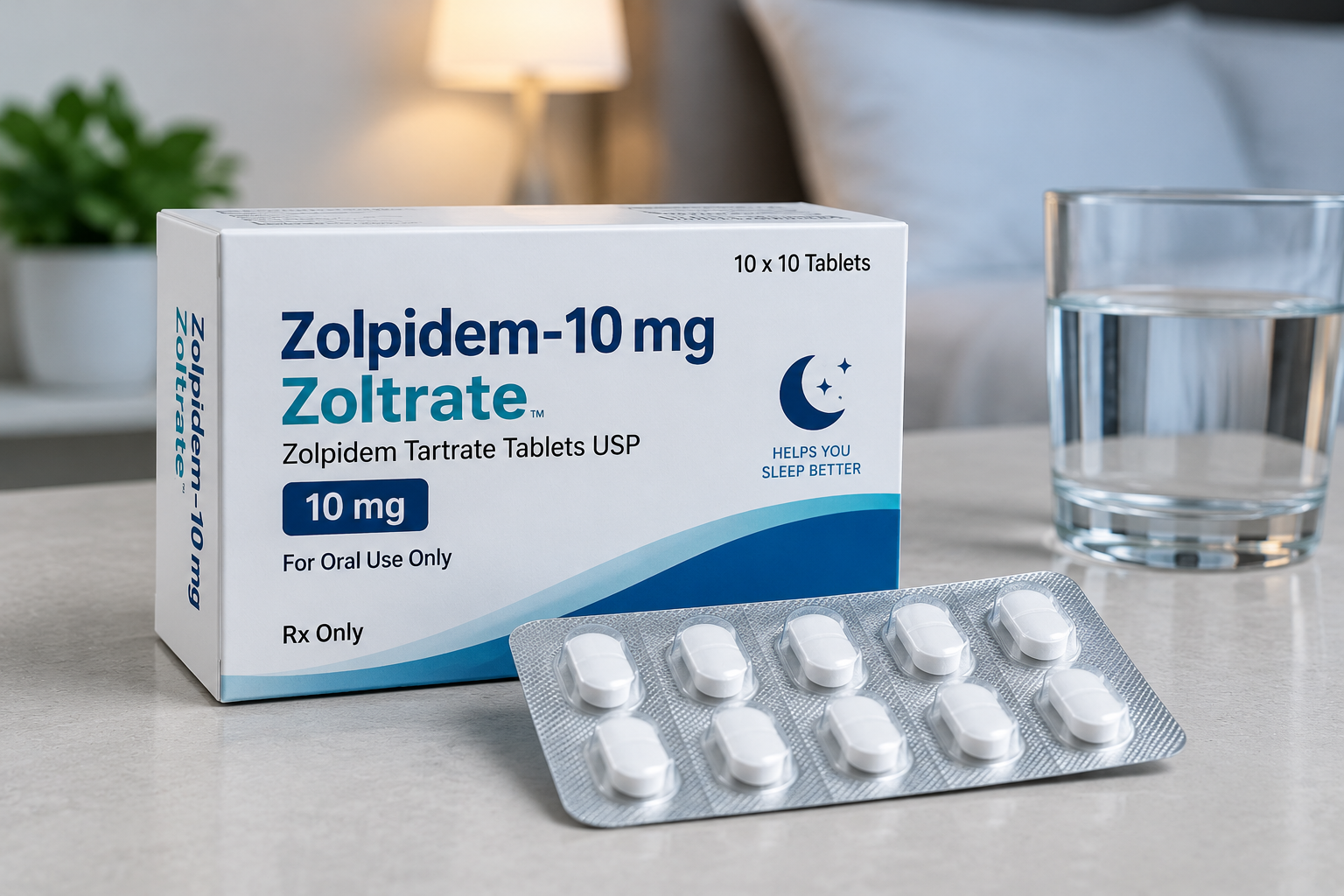
Zoltrate 10mg (Zolpidem Tartrate): Uses, Dosage, Side Effects & Safety

Zoltrate 10mg (Zolpidem Tartrate):Buy Online

Zoltrate 10mg contains zolpidem tartrate, a prescription sedative-hypnotic medicine used for the short-term treatment of insomnia in adults. It is particularly useful for people who have difficulty falling asleep.

Zolpidem belongs to a group of medicines commonly called non-benzodiazepine hypnotics or Z-drugs. It works by enhancing the activity of GABA, a chemical messenger in the brain that helps slow nervous-system activity and promote sleep.

Although zolpidem can be effective for insomnia, it can also cause drowsiness, impaired alertness, dependence, and unusual sleep-related behaviors. It should therefore be taken only as prescribed by a healthcare professional.

This guide covers Zoltrate 10mg uses, dosage, how it works, side effects, precautions, drug interactions, and important safety information.

Important: This article is for educational purposes and does not replace advice from a doctor or pharmacist. Never change your zolpidem dose without professional medical guidance.

What Is Zoltrate 10mg?

Zoltrate 10mg contains 10 mg of zolpidem tartrate, a medicine prescribed to help adults with insomnia, particularly difficulty initiating sleep.

Insomnia can make it difficult to fall asleep, stay asleep, or get adequate restorative sleep. When sleep problems are persistent and affect daytime functioning, a healthcare professional may consider medication along with behavioral and lifestyle approaches.

Zolpidem works relatively quickly and is generally taken immediately before bedtime. Because it can impair alertness and coordination, patients should only take it when they have enough time available for a full night’s sleep.

What Is Zoltrate 10mg Used For?

Zoltrate 10mg may be prescribed for the short-term treatment of insomnia in adults.

It may be considered when a person has significant difficulty falling asleep and the problem is affecting normal daily activities.

Potential uses include:

  • Difficulty falling asleep
  • Short-term insomnia
  • Sleep problems that interfere with daytime functioning
  • Insomnia requiring short-term prescription treatment

The underlying cause of insomnia should also be considered. Stress, anxiety, depression, medications, alcohol, caffeine, medical conditions, and sleep disorders can all contribute to sleep difficulties.

Your healthcare provider can determine whether zolpidem is appropriate and whether another approach may be more suitable.

How Does Zoltrate 10mg Work?

Zolpidem works by increasing the activity of gamma-aminobutyric acid (GABA) at certain receptors in the brain.

GABA is an inhibitory neurotransmitter, meaning it helps reduce activity in the central nervous system. By enhancing GABA-related activity, zolpidem produces a sedative effect that can help a person fall asleep more easily.

Because zolpidem acts relatively quickly, it is normally taken immediately before going to bed rather than several hours beforehand.

Zoltrate 10mg Dosage

The appropriate zolpidem dose depends on the formulation, age, sex, medical history, other medicines being taken, and how an individual responds to treatment.

Zoltrate 10mg should not be considered an appropriate starting dose for everyone.

For immediate-release zolpidem, lower doses are commonly recommended initially, and the dose may be adjusted by a healthcare professional when necessary. Women are generally started at a lower dose than men because zolpidem may be cleared from the body more slowly in women.

Older adults and people with certain medical conditions may also require lower doses.

Always follow the exact dose prescribed to you. Do not increase the dose because you feel the medicine is not working quickly enough.

How Should You Take Zoltrate 10mg?

If your healthcare provider has prescribed zolpidem, take it exactly as directed.

Important instructions include:

  • Take zolpidem immediately before going to bed.
  • Take it only when you can remain in bed for a full night’s sleep.
  • Swallow the tablet as directed.
  • Do not take more than your prescribed dose.
  • Avoid taking it with or immediately after a heavy meal because food can delay its effect.
  • Do not combine it with alcohol.
  • Do not take another dose during the same night unless your healthcare provider specifically instructs you to do so.
  • Do not drive or perform activities requiring alertness after taking it.

For extended-release zolpidem products, follow the specific instructions for that formulation and do not crush, chew, or split the tablet unless the product information specifically permits it.

How Long Does Zoltrate 10mg Take to Work?

Zolpidem generally begins to produce its sleep-promoting effect fairly quickly. Many people begin to feel drowsy within approximately 15 to 30 minutes, although individual responses can differ.

For this reason, zolpidem should normally be taken immediately before you plan to sleep.

Do not take an additional tablet simply because you do not feel sleepy immediately.

How Long Should You Take Zoltrate 10mg?

Zolpidem is generally intended for short-term treatment of insomnia.

Using it for longer than recommended can increase the risk of dependence and other adverse effects. If insomnia continues despite treatment, your healthcare provider may need to reassess the underlying cause rather than simply increasing the medication.

Do not continue taking zolpidem for an extended period without medical supervision.

Zoltrate 10mg Side Effects

Like other prescription medicines, zolpidem can cause side effects. Some are mild and temporary, while others can be serious.

Common Side Effects

Possible side effects include:

  • Drowsiness
  • Dizziness
  • Headache
  • Fatigue
  • Daytime sleepiness
  • Nausea
  • Dry mouth
  • Reduced alertness or coordination

Older adults may be particularly vulnerable to dizziness and impaired coordination, which can increase the risk of falls.

Serious Side Effects

Contact a healthcare professional promptly if you experience unusual or severe symptoms.

Seek emergency medical attention for potentially serious reactions such as:

  • Difficulty breathing
  • Severe allergic reaction
  • Loss of consciousness
  • Severe confusion
  • Significant behavioral or mood changes
  • Severe impairment of alertness

One particularly important risk associated with zolpidem is complex sleep behavior.

Zolpidem and Complex Sleep Behaviors

Some people taking zolpidem have reported performing activities while not fully awake and later having little or no memory of them.

Examples can include:

  • Sleepwalking
  • Sleep driving
  • Preparing or eating food
  • Making phone calls
  • Other activities performed while apparently asleep

These behaviors can result in serious injuries and may occur even after taking zolpidem as prescribed.

Stop taking zolpidem and contact your healthcare provider immediately if you experience a complex sleep behavior, unless your healthcare professional gives you different instructions.

Zoltrate 10mg and Next-Day Drowsiness

Zolpidem can cause impaired alertness the following morning, even if you feel awake.

The risk may be higher when:

  • You take a higher dose
  • You do not get enough sleep
  • You combine zolpidem with other sedating substances
  • You are particularly sensitive to the medicine

Avoid driving, operating machinery, or performing hazardous activities until you know how zolpidem affects you.

Who Should Not Take Zoltrate 10mg?

Zolpidem is not appropriate for everyone.

It should generally be avoided in people who:

  • Have experienced complex sleep behaviors after taking zolpidem
  • Have a known allergy to zolpidem
  • Cannot dedicate enough time to sleep after taking the medicine
  • Have certain severe medical conditions that make sedative-hypnotic treatment unsafe

Your healthcare provider should also know if you have sleep apnea, respiratory disease, liver problems, depression, mental health conditions, or a history of substance or alcohol misuse.

Precautions Before Taking Zoltrate 10mg

Tell your doctor or pharmacist about your medical history before starting zolpidem.

Important conditions to discuss include:

  • Liver disease
  • Kidney problems
  • Sleep apnea
  • COPD or other breathing disorders
  • Depression

Zoltrate 10mg Drug Interactions

Zolpidem can interact with medicines and substances that affect the central nervous system.

Potentially important interactions include:

  • Opioid pain medicines
  • Benzodiazepines
  • Other sleeping medicines
  • Muscle relaxants
  • Sedating antihistamines
  • Certain antidepressants
  • Some antifungal medicines
  • Certain antibiotics and other medicines that affect zolpidem metabolism
  • Alcohol

Combining zolpidem with other sedating medicines can increase drowsiness and impairment and, in some circumstances, may increase the risk of serious breathing problems.

Always check with your healthcare provider or pharmacist before combining zolpidem with another medicine.

Can You Drink Alcohol With Zoltrate 10mg?

No. Alcohol should be avoided while taking zolpidem.

Alcohol can intensify the sedative effects of zolpidem and increase the risk of excessive drowsiness, impaired coordination, unusual behavior, and other potentially serious effects.

Do not assume that a small amount of alcohol is safe while using this medicine.

Can You Take Zoltrate 10mg With Opioids?

Combining zolpidem with opioid medicines can increase central nervous system depression.

This may result in profound sedation, impaired breathing, coma, or other serious complications.

If you have been prescribed both medicines, follow your healthcare professional’s instructions carefully and do not take more than the prescribed amounts.

Is Zoltrate 10mg Habit-Forming?

Yes. Zolpidem can cause physical dependence and has the potential for misuse.

The risk may increase when it is taken at higher doses, used for longer than recommended, or taken differently from the prescribed instructions.

If you have a history of substance or alcohol misuse, tell your healthcare provider before starting zolpidem.

If you have been taking zolpidem regularly for an extended period, do not stop treatment suddenly without medical advice. Your healthcare provider may recommend gradually reducing the medication to minimize withdrawal symptoms.

Zoltrate 10mg During Pregnancy and Breastfeeding

If you are pregnant, planning to become pregnant, or breastfeeding, talk to your healthcare provider before taking zolpidem.

Your doctor can evaluate the potential benefits and risks and determine whether another treatment option may be more appropriate.

Do not start or stop prescription medication during pregnancy without professional medical advice.

What If You Miss a Dose?

Zolpidem is generally taken only when needed at bedtime rather than on a routine daytime schedule.

If you forget to take it at bedtime, do not take it later if you will not have enough time for a full night’s sleep.

Never take an extra dose to compensate for a missed dose.

If you are unsure what to do, ask your pharmacist or healthcare provider.

Zoltrate 10mg Overdose

Taking more zolpidem than prescribed can cause excessive sedation and other potentially serious effects.

An overdose may cause:

  • Extreme drowsiness
  • Confusion
  • Poor coordination
  • Loss of consciousness
  • Difficulty breathing, particularly when combined with other central nervous system depressants

If you suspect that you or someone else has taken too much zolpidem, seek emergency medical help or contact your local poison control service immediately.

How Should Zoltrate 10mg Be Stored?

Store Zoltrate 10mg according to the instructions on the product packaging and prescription label.

General storage precautions include:

  • Keep the medicine at room temperature unless instructed otherwise.
  • Protect it from excessive heat and moisture.
  • Keep it in its original container.
  • Store it securely away from children and pets.
  • Do not share your prescription with anyone else.
  • Dispose of unused medication through an appropriate medicine take-back program when available.

Because zolpidem can be misused, keeping the medicine in a secure location is important.

Frequently Asked Questions About Zoltrate 10mg

What is Zoltrate 10mg used for?

Zoltrate 10mg contains zolpidem tartrate and is prescribed for the short-term treatment of insomnia in adults, particularly difficulty falling asleep.

How quickly does Zoltrate 10mg work?

Zolpidem generally starts producing its sleep-promoting effects relatively quickly, often within about 15 to 30 minutes. Individual responses vary.

Can I take Zoltrate 10mg every night?

Zolpidem is generally intended for short-term treatment. Whether it should be taken every night depends on your prescription and medical circumstances. Do not use it more frequently or for longer than your healthcare provider recommends.

Can I drink alcohol after taking Zoltrate 10mg?

No. Alcohol can increase the sedative effects of zolpidem and may increase the risk of serious impairment and other complications.

Does Zoltrate 10mg cause next-day drowsiness?

It can. Zolpidem may impair alertness and coordination the following morning. Avoid driving or hazardous activities if you feel drowsy or impaired.

Is Zoltrate 10mg addictive?

Zolpidem can cause dependence and has potential for misuse. The risk can increase with prolonged use, higher doses, or use outside the prescribed instructions.

Can I stop Zoltrate 10mg suddenly?

If you have been using zolpidem regularly, speak with your healthcare provider before stopping it. Suddenly discontinuing regular treatment may cause withdrawal symptoms or a return of insomnia.

What should I do if I miss my Zoltrate dose?

If you miss your bedtime dose and there is not enough time remaining for a full night’s sleep, skip it rather than taking it late. Never take a double dose.

Final Thoughts

Zoltrate 10mg contains zolpidem tartrate, a prescription sleep medicine used for the short-term treatment of insomnia in adults. It works by enhancing the effects of GABA in the brain, helping reduce the time needed to fall asleep.

While zolpidem can be useful when appropriately prescribed, it is not suitable for everyone. Drowsiness, next-day impairment, dependence, misuse, and complex sleep behaviors are important risks to understand before using the medication.

Take Zoltrate 10mg exactly as prescribed, avoid alcohol and other sedating substances unless your healthcare provider specifically advises otherwise, and make sure you have enough time available for a full night’s sleep after taking it.

If insomnia continues, becomes worse, or requires ongoing medication, speak with your healthcare provider about the underlying cause and the most appropriate long-term treatment strategy.
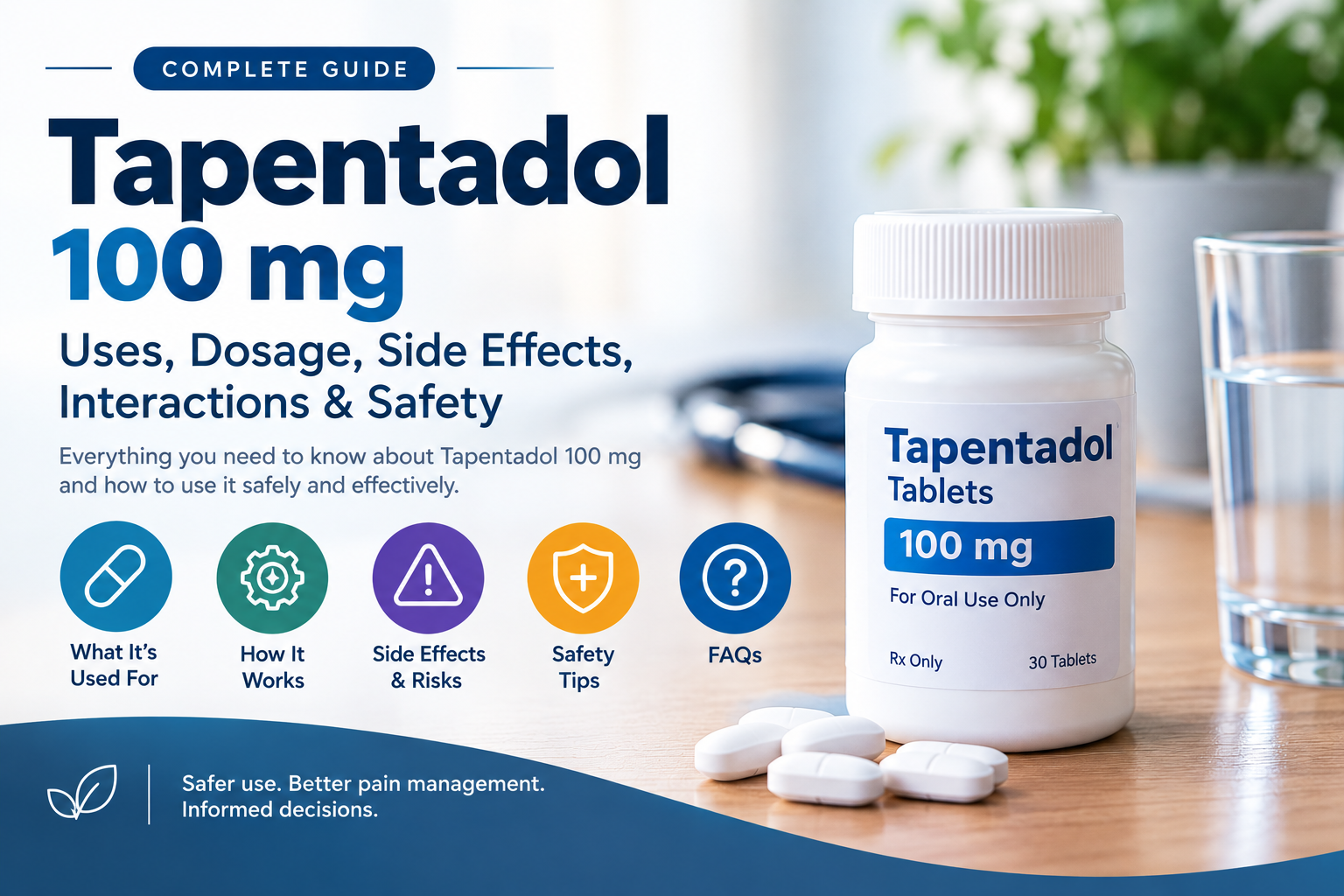
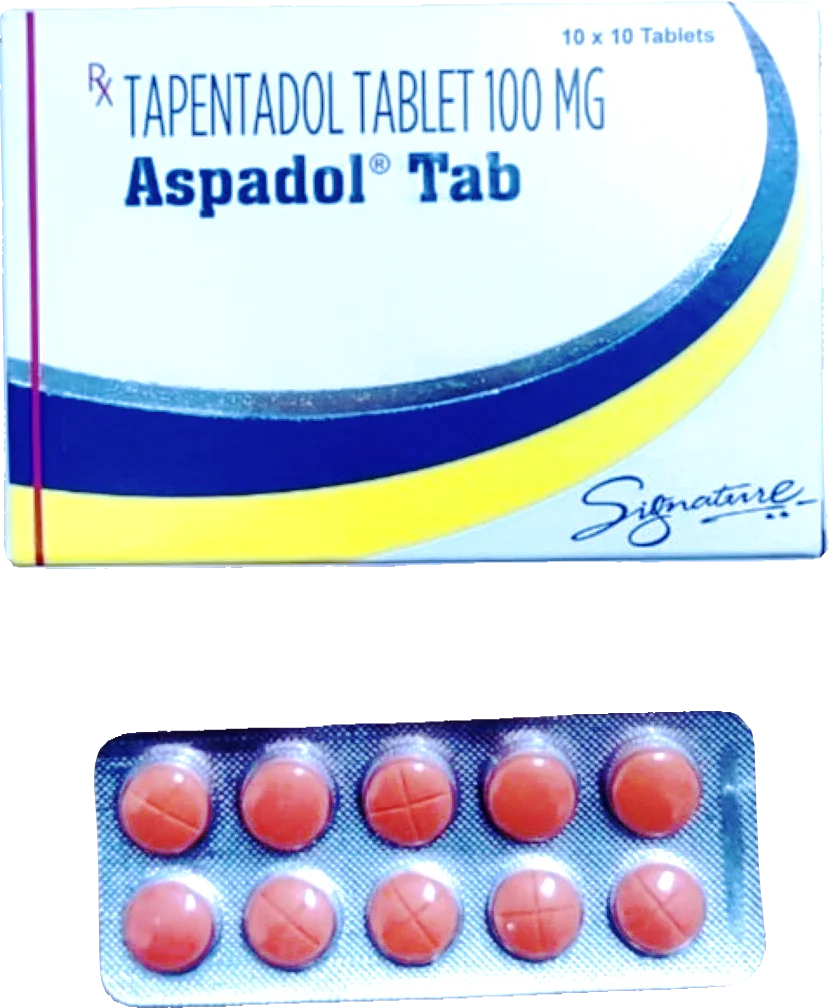
Tapentadol 100 mg: Uses, Dosage, Side Effects, Interactions & Safety

Tapentadol 100 mg is a prescription opioid pain medicine used to treat certain types of moderate to severe pain in adults. It has a dual action: it activates opioid receptors involved in pain perception and also reduces the reuptake of norepinephrine, which helps modify pain signals in the central nervous system.

Because tapentadol is an opioid, it can cause drowsiness, respiratory depression, misuse, addiction, physical dependence, and overdose. It should therefore be taken only under the direction of a qualified healthcare professional.

This guide explains what Tapentadol 100 mg is used for, how it works, common and serious side effects, precautions, drug interactions, and other important safety information.

Important: This article is for general educational purposes and does not replace advice from a doctor or pharmacist. Take tapentadol only as prescribed.

What Is Tapentadol 100 mg?

Tapentadol 100 mg contains 100 mg of tapentadol, an opioid analgesic available in immediate-release and extended-release formulations.

The appropriate formulation depends on the type and duration of pain being treated. Immediate-release tapentadol may be used for certain acute pain situations, while extended-release formulations are used for appropriate patients requiring around-the-clock management of specific persistent pain conditions.

Tapentadol is a controlled prescription medicine because of its potential for misuse, abuse, addiction, and dependence.

What Is Tapentadol 100 mg Used For?

Doctors may prescribe tapentadol when prescription-strength pain relief is appropriate and other treatment options have not provided adequate relief or are not suitable.

Depending on the formulation and individual circumstances, tapentadol may be prescribed for:

  • Moderate to severe acute pain
  • Certain persistent or chronic pain conditions
  • Pain requiring an opioid analgesic under medical supervision
  • Pain that has not responded adequately to other treatment options

Whether tapentadol is appropriate depends on the cause and severity of the pain, other medical conditions, current medications, and the individual’s risk factors.

How Does Tapentadol Work?

Tapentadol works through two complementary mechanisms.

First, it acts as an opioid receptor agonist. This reduces how strongly the brain and nervous system perceive pain.

Second, tapentadol inhibits the reuptake of norepinephrine, a chemical messenger involved in regulating pain signals. This second mechanism contributes to its analgesic effect.

Because tapentadol affects the central nervous system, it can also cause side effects such as sleepiness, dizziness, and impaired alertness.

Tapentadol 100 mg Dosage

The appropriate tapentadol dose varies according to the formulation, the condition being treated, previous opioid exposure, other medications, and the patient’s overall health.

Do not use the 100 mg strength as a standard dose without a prescription. A healthcare provider determines the appropriate strength and dosing schedule for each patient.

If you have been prescribed an extended-release formulation, follow the product-specific instructions carefully. Extended-release tablets generally should not be crushed, chewed, or broken because doing so can release the medicine too quickly and potentially cause a dangerous overdose.

Never increase your dose or take tapentadol more frequently than prescribed.

How to Take Tapentadol 100 mg Safely

Follow your prescription label and your healthcare provider’s instructions carefully.

Important precautions include:

  • Take tapentadol exactly as prescribed.
  • Do not take more than the recommended amount.
  • Do not share your medication with anyone else.
  • Swallow tablets with water as directed.
  • Do not crush or chew extended-release tablets.
  • Avoid alcohol while taking tapentadol.
  • Do not drive until you know how the medicine affects your alertness and coordination.
  • Tell your healthcare provider about all other medicines and supplements you take.
  • Do not suddenly stop long-term treatment without medical advice.

If you have questions about your prescribed dose, speak with your doctor or pharmacist rather than changing it yourself.

Tapentadol 100 mg Side Effects

Like other prescription medicines, tapentadol can cause side effects. Some are relatively common, while others require immediate medical attention.

Common Side Effects of Tapentadol

Commonly reported side effects may include:

  • Nausea
  • Dizziness
  • Drowsiness
  • Vomiting
  • Constipation
  • Headache

These effects may be more noticeable when treatment is first started or when the dose is changed.

Contact your healthcare provider if side effects are persistent, severe, or interfere with your normal activities.

Serious Side Effects

Tapentadol can cause serious and potentially life-threatening reactions, particularly when taken incorrectly or combined with other central nervous system depressants.

Seek emergency medical attention for symptoms such as:

  • Slow, shallow, or difficult breathing
  • Extreme sleepiness or inability to wake
  • Loss of consciousness
  • Severe confusion
  • Seizures
  • Signs of a serious allergic reaction
  • Suspected opioid overdose

Breathing problems and extreme sedation should be treated as an emergency.

Tapentadol and Respiratory Depression

One of the most serious risks associated with opioid medicines is respiratory depression, in which breathing becomes dangerously slow or shallow.

The risk can be higher when tapentadol is taken in excessive amounts or combined with alcohol, benzodiazepines, other opioids, or other medicines that suppress the central nervous system.

If someone taking tapentadol becomes extremely difficult to wake or has slow or abnormal breathing, seek emergency medical help immediately.

Is Tapentadol 100 mg Addictive?

Tapentadol can be habit-forming and has the potential for misuse, addiction, and physical dependence.

Physical dependence can develop when the body becomes accustomed to regular opioid exposure. This is different from addiction, which involves compulsive drug use despite harmful consequences, although both can occur.

The risk may increase with higher doses, prolonged treatment, misuse, or a personal or family history of substance-use problems.

Use tapentadol only as prescribed and keep the medication in a secure location.

Tapentadol Drug Interactions

Before taking tapentadol, tell your healthcare provider about every medicine, supplement, and herbal product you use.

Important interactions may involve:

  • Other opioid medicines
  • Benzodiazepines
  • Sleeping medicines and sedatives
  • Muscle relaxants
  • Alcohol
  • Certain antidepressants
  • MAO inhibitors
  • Other medicines that affect the central nervous system

Combining tapentadol with other sedating substances can increase the risk of severe drowsiness, respiratory depression, coma, and death.

Tapentadol and Alcohol

Avoid alcohol while taking tapentadol.

Alcohol can intensify the sedative effects of tapentadol and increase the risk of dangerous breathing problems, extreme drowsiness, loss of consciousness, and overdose.

Do not assume that a small amount of alcohol is safe. Ask your healthcare provider if you are unsure.

Tapentadol and Benzodiazepines

Taking tapentadol with benzodiazepines can significantly increase central nervous system depression.

Medicines in this category include certain drugs prescribed for anxiety, insomnia, or seizures. If both medicines are medically necessary, your healthcare provider may need to monitor you closely and adjust treatment appropriately.

Who Should Not Take Tapentadol 100 mg?

Tapentadol may not be suitable for everyone.

It should generally not be used in people with:

  • A known allergy to tapentadol
  • Significant respiratory depression
  • Severe or uncontrolled asthma in an unmonitored setting
  • Known or suspected gastrointestinal obstruction, including paralytic ileus

Your healthcare provider should also know if you have liver or kidney problems, breathing disorders, a seizure history, a history of substance misuse, or other significant medical conditions.

Precautions Before Taking Tapentadol

Before starting treatment, tell your healthcare provider if you have:

  • Asthma, COPD, sleep apnea, or another breathing disorder
  • Liver or kidney disease
  • A history of seizures
  • A history of substance misuse or opioid dependence
  • A head injury or condition that increases pressure inside the skull
  • Depression or another mental health condition
  • Problems with intestinal or stomach function
  • Pregnancy or plans to become pregnant
  • Breastfeeding

Providing a complete medical history helps your healthcare provider determine whether tapentadol is appropriate for you.

Can Tapentadol Affect Driving?

Yes. Tapentadol may cause drowsiness, dizziness, blurred thinking, or impaired coordination.

Do not drive, operate heavy machinery, or perform activities requiring full concentration until you know how the medicine affects you.

These effects may be particularly noticeable when you first begin treatment or after a dose increase.

Tapentadol During Pregnancy and Breastfeeding

If you are pregnant, planning to become pregnant, or breastfeeding, discuss tapentadol with your healthcare provider before using it.

Regular opioid use during pregnancy can affect the newborn and may lead to neonatal opioid withdrawal. Opioids can also pass into breast milk and may affect a nursing infant.

Your doctor can help you weigh the potential benefits and risks and determine the most appropriate treatment.

What Happens If You Miss a Dose?

The instructions for a missed dose depend on the tapentadol formulation and your prescribed schedule.

Follow your prescription instructions or ask your pharmacist what to do. Do not take an extra dose to compensate for a missed one.

If you are taking an extended-release formulation, do not alter your dosing schedule without medical advice.

What Happens If You Take Too Much Tapentadol?

Taking more tapentadol than prescribed can result in a potentially life-threatening overdose.

Warning signs can include:

  • Very slow or shallow breathing
  • Extreme sleepiness
  • Inability to wake up
  • Weakness or limpness
  • Loss of consciousness
  • Confusion

If you suspect an opioid overdose, seek emergency medical assistance immediately. If naloxone is available and appropriate, use it according to its instructions while emergency help is being contacted.

Store tapentadol according to the instructions provided with your prescription.

As a general precaution:

  • Keep it in a secure, dry location.
  • Protect it from excessive heat and moisture.
  • Keep it in its original packaging when possible.
  • Keep it out of reach of children and pets.
  • Do not give your medication to anyone else.
  • Dispose of unused tablets through an appropriate medication take-back program when available.

Because tapentadol is an opioid with misuse potential, secure storage is particularly important.

Frequently Asked Questions About Tapentadol 100 mg

Is Tapentadol 100 mg a strong painkiller?

Tapentadol is a prescription opioid analgesic used for moderate to severe pain in appropriate patients. Its strength and suitability depend on the formulation, individual patient factors, and previous opioid exposure.

Is Tapentadol 100 mg addictive?

Yes. Tapentadol has the potential for misuse, addiction, and physical dependence. Taking it exactly as prescribed can help reduce unnecessary risks, but dependence can still occur with regular opioid treatment.

Can I take Tapentadol 100 mg with alcohol?

No. Alcohol can increase tapentadol’s effects on the central nervous system and significantly raise the risk of dangerous sedation and respiratory depression.

Does Tapentadol make you sleepy?

It can. Drowsiness and dizziness are common possible effects. Avoid driving or operating machinery until you know how tapentadol affects you.

Can Tapentadol be taken with other painkillers?

That depends on the specific medicine. Some combinations can increase sedation or other risks. Always tell your healthcare provider about other pain medicines, including prescription and over-the-counter products, before combining them with tapentadol.

Can older adults take Tapentadol?

Older adults may be more sensitive to opioid-related side effects, including dizziness, sedation, and respiratory depression. A healthcare provider should determine whether tapentadol is appropriate and what dose is suitable.

Can I stop Tapentadol suddenly?

If you have been taking tapentadol regularly for an extended period, do not stop it suddenly without speaking with your healthcare provider. Abrupt discontinuation can cause withdrawal symptoms.

What should I do if I accidentally take too much Tapentadol?

An excessive dose can cause a potentially life-threatening opioid overdose. If you think you or someone else has taken too much, seek emergency medical assistance immediately rather than waiting for symptoms to appear.

Final Thoughts

Tapentadol 100 mg is a prescription opioid medicine that can provide relief from certain types of moderate to severe pain. Its dual mechanism—opioid receptor activity combined with norepinephrine reuptake inhibition—distinguishes it from many traditional opioid pain medicines.

However, tapentadol also carries important risks, including respiratory depression, misuse, addiction, dependence, withdrawal, and overdose. These risks can become substantially greater when tapentadol is combined with alcohol, benzodiazepines, other opioids, or other central nervous system depressants.

Use Tapentadol 100 mg only under appropriate medical supervision, follow your prescription carefully, and contact your healthcare provider or pharmacist if you have questions about your treatment.

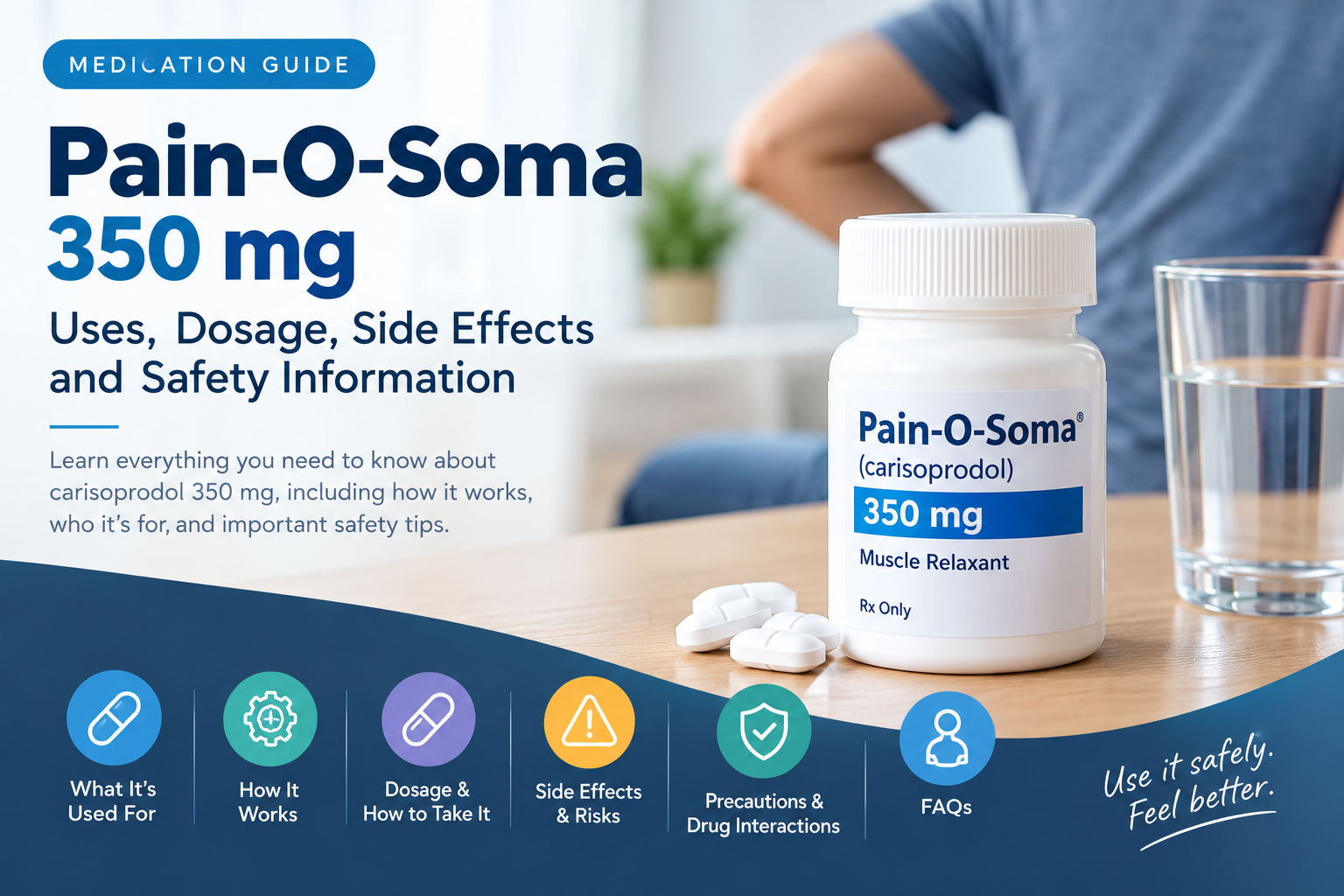
Pain-O-Soma 350 mg: Uses, Dosage, Side Effects, and Safety Information

Pain-O-Soma 350 mg Buy Online USA Pharmacy

Pain-O-Soma 350 mg contains carisoprodol 350 mg, a prescription muscle relaxant used to relieve discomfort associated with certain acute, painful musculoskeletal conditions. It is generally used for a short period and works as part of an overall treatment plan that may include rest and physical therapy.

Although carisoprodol can help reduce muscle-related discomfort, it can also cause drowsiness and dizziness and has the potential for misuse and dependence. For this reason, it should only be taken according to a healthcare professional’s instructions.

This guide explains what Pain-O-Soma 350 mg is, what it is used for, how it works, its possible side effects, precautions, interactions, and other important safety information.

What Is Pain-O-Soma 350 mg?

Pain-O-Soma 350 mg is a tablet containing 350 mg of carisoprodol. Carisoprodol belongs to a group of medicines known as centrally acting skeletal muscle relaxants.

It is prescribed to help manage acute muscle pain and spasms associated with musculoskeletal conditions. Rather than directly relaxing the muscles themselves, carisoprodol acts on the central nervous system to produce a muscle-relaxing effect.

Pain-O-Soma is usually intended for short-term treatment. Using carisoprodol for longer than recommended may increase the risk of dependence and other adverse effects.

What Is Pain-O-Soma 350 mg Used For?

Doctors may prescribe Pain-O-Soma 350 mg for the short-term management of painful musculoskeletal conditions. It is typically used alongside other measures such as rest and physical therapy.

Potential uses include:

  • Muscle spasms
  • Muscle strains
  • Sprains and other musculoskeletal injuries
  • Acute muscle pain and discomfort
  • Short-term treatment of painful musculoskeletal conditions

The medicine does not replace appropriate treatment for the underlying injury or condition. Your healthcare provider can determine whether carisoprodol is appropriate for your particular symptoms.

pain o soma buy online med

How Does Carisoprodol Work?

The precise mechanism by which carisoprodol produces its muscle-relaxing effects is not completely understood. It acts on the central nervous system rather than directly on skeletal muscle.

Carisoprodol is metabolized in the body to meprobamate, a compound that also has central nervous system effects. This contributes to some of the medicine’s sedative properties.

Because it can affect alertness and coordination, people taking carisoprodol may experience sleepiness or dizziness.

How Should You Take Pain-O-Soma 350 mg?

Take Pain-O-Soma exactly as prescribed by your healthcare provider. Do not take a larger dose, take it more frequently, or use it for longer than directed.

The tablet is generally swallowed with water. Follow the instructions provided with your prescription and medication label.

A few important points to remember:

  • Do not take more than your prescribed dose.
  • Do not share carisoprodol with another person.
  • Avoid alcohol while taking the medicine.
  • Do not drive or operate machinery if you feel drowsy or impaired.
  • If you have been taking it for an extended period, speak with your healthcare provider before stopping it.
  • Continue any recommended rest or physical therapy as directed.

If you are unsure about your dose or treatment duration, ask your prescriber or pharmacist rather than adjusting it yourself.

Pain-O-Soma 350 mg Dosage

The appropriate dose of carisoprodol depends on the individual and the condition being treated. Do not use someone else’s prescription or change your dose without medical advice.

For adults, the commonly recommended labeled dosage of carisoprodol is 250 mg to 350 mg taken three times a day and at bedtime, when prescribed for acute musculoskeletal conditions. Treatment is generally limited to up to two or three weeks, because there is limited evidence supporting longer use and prolonged treatment may increase the risk of dependence and other problems.

Your prescription may differ depending on your circumstances. Always follow the dose on your prescription label.

What If You Miss a Dose?

If you forget a dose, follow the instructions provided by your healthcare professional or pharmacist. In general, take the missed dose when you remember unless it is nearly time for your next dose.

Do not take two doses at once to make up for a missed dose.

Pain-O-Soma 350 mg Side Effects

Like any medicine, carisoprodol can cause side effects. Some are relatively common and may improve as your body adjusts to the medication.

Common Side Effects

Possible side effects include:

  • Drowsiness
  • Dizziness
  • Headache
  • Sleepiness
  • Nausea or upset stomach

Because carisoprodol can affect the central nervous system, you should be cautious about activities requiring alertness until you know how the medication affects you.

Serious Side Effects

Serious reactions are less common but require prompt medical attention. Seek emergency medical help if you experience symptoms such as:

  • Difficulty breathing
  • Loss of consciousness
  • Severe allergic reactions
  • Seizures
  • Severe confusion
  • Hallucinations

If you develop unusual or severe symptoms after taking carisoprodol, contact a healthcare professional promptly.

Can Pain-O-Soma 350 mg Cause Dependence?

Yes. Carisoprodol has the potential for misuse, abuse, and dependence.

The risk may be greater when the medicine is taken at higher doses, used for longer than prescribed, or combined with other substances that depress the central nervous system.

Take Pain-O-Soma only as prescribed. If you have a history of substance misuse or dependence, tell your healthcare provider before starting treatment.

If you have been taking carisoprodol regularly for a prolonged period, do not stop suddenly without discussing it with your healthcare provider. Stopping after prolonged use may cause withdrawal symptoms.

Important Drug Interactions

Carisoprodol can interact with medicines and substances that affect the central nervous system. Combining these substances may increase sedation and, in some situations, the risk of serious breathing problems.

Tell your healthcare provider about all prescription medicines, over-the-counter products, and supplements you use.

Important interactions may include:

  • Opioid pain medicines
  • Benzodiazepines
  • Sleeping medicines
  • Other muscle relaxants
  • Alcohol
  • Other medicines that cause drowsiness or slow central nervous system activity

Pain-O-Soma and Alcohol

It is best to avoid alcohol while taking carisoprodol.

Alcohol can increase the sedative effects of carisoprodol, potentially causing excessive drowsiness, impaired coordination, loss of consciousness, and breathing difficulties.

Do not assume that a small amount of alcohol is safe without first discussing it with your healthcare professional.

Pain-O-Soma and Opioids

Taking carisoprodol together with opioid medicines can increase central nervous system depression. The combination may result in profound sedation and potentially dangerous breathing problems.

If you are prescribed both medicines, follow your healthcare professional’s instructions carefully and never take more than the prescribed amounts.

Who Should Avoid Pain-O-Soma 350 mg?

Pain-O-Soma may not be appropriate for everyone.

You should tell your healthcare provider if you have:

  • An allergy to carisoprodol or meprobamate
  • Acute intermittent porphyria
  • Liver disease
  • Kidney disease
  • A history of substance misuse or dependence
  • A seizure disorder
  • Other conditions that could be affected by a centrally acting muscle relaxant

Your healthcare provider will determine whether the potential benefits outweigh the risks in your situation.

Pregnancy and Breastfeeding

If you are pregnant, planning to become pregnant, or breastfeeding, talk to your healthcare provider before taking Pain-O-Soma.

There may be limited information about the effects of carisoprodol during pregnancy and breastfeeding, so your healthcare professional can help determine the safest approach based on your individual circumstances.

Do not start or discontinue prescription medication during pregnancy without medical guidance.

Can You Drive After Taking Pain-O-Soma?

Carisoprodol can cause drowsiness, dizziness, and impaired coordination, which may affect your ability to drive safely.

Avoid driving, operating machinery, or performing other activities requiring full alertness until you know how the medicine affects you.

This is particularly important when starting treatment or when your dose has changed.

How Long Is Pain-O-Soma Usually Used?

Carisoprodol is generally intended for short-term treatment, commonly up to two or three weeks for acute musculoskeletal conditions.

Longer treatment does not necessarily provide additional benefit and may increase the risk of dependence, misuse, and other adverse effects.

Your healthcare provider should determine how long you need the medication based on your condition and response to treatment.

Storage and Disposal

Store Pain-O-Soma according to the instructions on its packaging and prescription label.

General precautions include:

  • Keep the medicine at room temperature unless instructed otherwise.
  • Protect it from excessive heat and moisture.
  • Keep it in its original container when possible.
  • Store it securely away from children and pets.
  • Do not give your medication to anyone else.
  • Dispose of unused medication through an appropriate medication take-back or disposal program when available.

Because carisoprodol has misuse potential, storing it securely is particularly important.

Frequently Asked Questions About Pain-O-Soma 350 mg

Is Pain-O-Soma 350 mg a painkiller?

Pain-O-Soma contains carisoprodol, which is a muscle relaxant, not a conventional painkiller. It is used to help relieve discomfort associated with acute musculoskeletal conditions, usually alongside rest and physical therapy.

Is Pain-O-Soma 350 mg addictive?

Carisoprodol can be habit-forming and has potential for misuse, abuse, and dependence. The risk increases with prolonged use or misuse. Take it only as prescribed.

Can I take Pain-O-Soma with alcohol?

No. Alcohol can increase the sedative effects of carisoprodol and may increase the risk of serious side effects, including excessive sedation and breathing problems.

Does Pain-O-Soma make you sleepy?

Yes. Drowsiness and dizziness are among the possible side effects of carisoprodol. Avoid driving or operating machinery until you know how the medicine affects you.

How long does Pain-O-Soma stay in your system?

Carisoprodol is metabolized relatively quickly, but its effects and the presence of its metabolites can vary between individuals. Factors such as age, liver function, kidney function, dosage, and duration of use can affect how the medicine is processed.

Can I stop taking Pain-O-Soma suddenly?

If you have been using carisoprodol regularly for an extended period, speak with your healthcare provider before stopping it. Abrupt discontinuation after prolonged use can cause withdrawal symptoms.

What happens if I take too much Pain-O-Soma?

Taking more carisoprodol than prescribed can cause excessive sedation and other potentially serious effects. Combining it with alcohol, opioids, benzodiazepines, or other sedating substances can further increase the risk.

If you suspect an overdose, seek emergency medical assistance or contact your local poison control center immediately.

Final Thoughts

Pain-O-Soma 350 mg contains carisoprodol, a prescription muscle relaxant that may be used for the short-term relief of discomfort associated with acute, painful musculoskeletal conditions. It is generally used together with measures such as rest and physical therapy rather than as a standalone treatment.

Although it can be helpful for some people, carisoprodol can cause drowsiness and dizziness and carries a risk of misuse and dependence. Avoid alcohol and be especially cautious when taking it with opioids, benzodiazepines, or other medicines that cause sedation.

Always follow your healthcare provider’s instructions and talk with a doctor or pharmacist if you have questions about your dose, other medications, side effects, or how long you should use Pain-O-Soma.

Medical disclaimer: This article is for educational and informational purposes only. It is not intended to provide medical advice, diagnosis, or treatment. Medication decisions should be made with a qualified healthcare professional. Never start, stop, or change the dose of a prescription medicine without appropriate medical guidance.

Trakem Tramadol 100 mg – Uses, Side Effects, Dosage & Safety Information

Trakem Tramadol Buy Online USA Pharmacy

Trakem Tramadol 100 mg contains tramadol hydrochloride 100 mg, a prescription opioid pain reliever used to manage certain types of moderate to moderately severe pain. It works on the central nervous system to change how the brain and body perceive pain.

Because tramadol is an opioid, it can cause drowsiness, dependence, misuse, addiction, and potentially life-threatening breathing problems. It should only be taken exactly as prescribed by a qualified healthcare professional.

This guide explains what Trakem Tramadol 100 mg is used for, how it works, possible side effects, drug interactions, and important precautions.

Important: This information is for educational purposes and is not a substitute for medical advice. Do not start, stop, or change your tramadol dose without speaking with your healthcare provider.

What Is Trakem Tramadol 100 mg Used For?

Doctors may prescribe tramadol when pain is significant enough to require prescription treatment and other pain-relief options are not suitable or have not provided adequate relief.

Depending on the patient’s condition, tramadol may be prescribed for:

  • Moderate to moderately severe acute pain
  • Certain chronic pain conditions
  • Pain that has not responded adequately to non-opioid pain medicines
  • Situations where an opioid pain reliever is considered appropriate following a medical assessment

Tramadol is not appropriate for everyone. Your healthcare provider will consider your medical history, other medications, age, and the cause and severity of your pain before prescribing it.

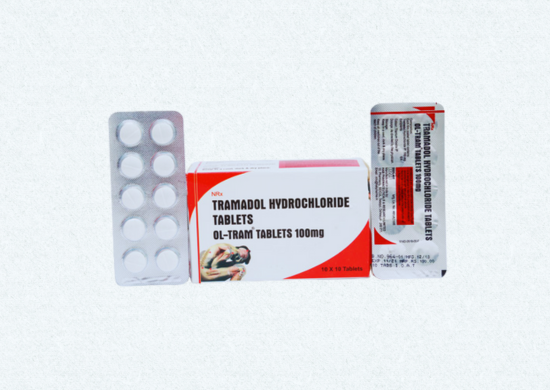
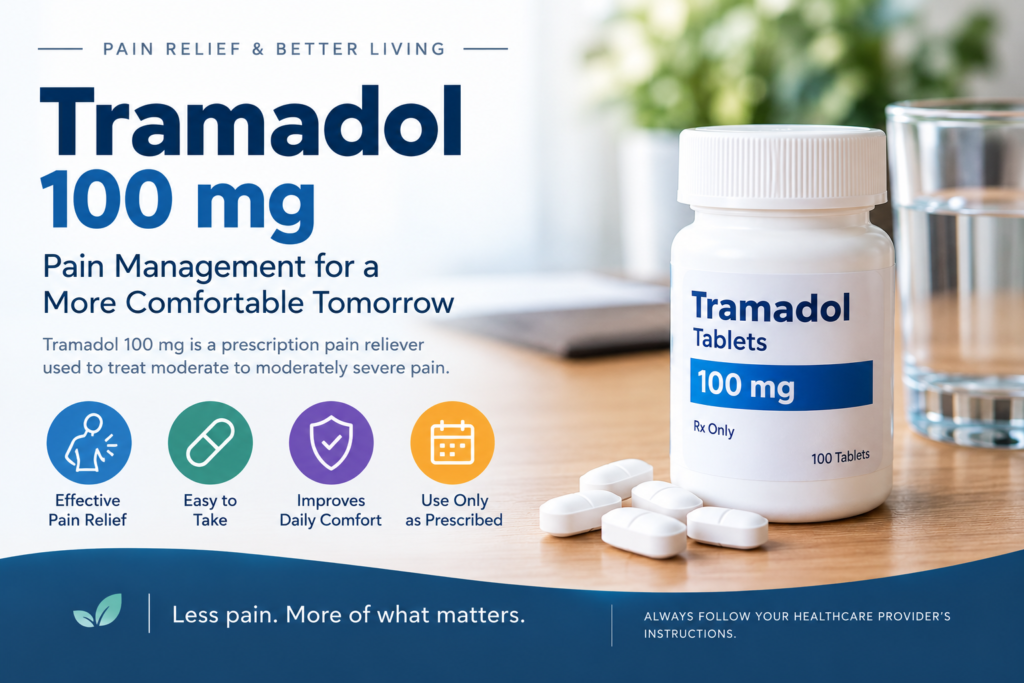
Tramadol 100 mg

How Does Tramadol Work?

Tramadol helps relieve pain in two main ways.

First, it acts on opioid receptors in the central nervous system, reducing the perception of pain. It also affects the reuptake of serotonin and norepinephrine, neurotransmitters involved in the body’s pain-signaling pathways.

Because of these effects, tramadol can interact with several medications, particularly medicines that also affect serotonin or the central nervous system.

Before Taking Trakem Tramadol 100 mg

Before starting tramadol, tell your doctor about any medical conditions you have and all medicines or supplements you take.

Your healthcare provider should know if you have:

  • Kidney or liver disease
  • Asthma, COPD, sleep apnea, or another breathing disorder
  • A history of seizures or epilepsy
  • Depression or another mental health condition
  • A history of alcohol or substance misuse
  • An opioid-use disorder or previous problems with opioid medicines
  • An allergy to tramadol or other opioids
  • Pregnancy or plans to become pregnant
  • A need to breastfeed

Your doctor may need to adjust your treatment or choose another pain-relief option depending on your circumstances.

How to Take Trakem Tramadol 100 mg

Take Trakem Tramadol exactly as prescribed. Do not take a larger dose, take it more frequently, or use it for longer than your healthcare provider recommends.

General safety instructions include:

  • Take the medicine according to your prescribed schedule.
  • Swallow tablets with water unless your healthcare professional gives you different instructions.
  • Never take more than the prescribed amount.
  • If you have been prescribed an extended-release formulation, swallow it whole. Do not crush, chew, or break it unless specifically instructed.
  • Do not share tramadol with another person, even if they have similar pain.
  • If you have been taking tramadol regularly for an extended period, do not stop suddenly without medical advice. Your healthcare provider may gradually reduce the dose to minimize withdrawal symptoms.

The correct dose depends on the specific tramadol formulation, your age, medical conditions, other medicines, and the reason it was prescribed.

Tramadol 100 mg Safety Information

Tramadol can make you sleepy, dizzy, or less alert, particularly when you first start taking it or when your dose changes.

Until you know how tramadol affects you:

  • Avoid driving or operating machinery.
  • Avoid alcohol.
  • Be careful when taking other medicines that cause drowsiness.

Combining tramadol with alcohol, benzodiazepines, other opioids, sleeping medicines, or other central nervous system depressants can increase the risk of profound sedation, breathing problems, coma, and death.

Tramadol can also increase the risk of seizures, particularly in people who are susceptible or who take certain interacting medicines.

Common Side Effects of Trakem Tramadol 100 mg

Some people experience side effects while taking tramadol. Common side effects can include:

  • Nausea
  • Dizziness
  • Drowsiness
  • Constipation
  • Headache
  • Dry mouth

Some side effects may become less noticeable as your body adjusts to the medicine. However, persistent, severe, or worsening symptoms should be discussed with your healthcare provider.

Serious Side Effects: When to Get Medical Help

Tramadol can cause serious and potentially life-threatening reactions.

Seek urgent medical attention if you experience:

  • Slow, shallow, or difficult breathing
  • Extreme sleepiness or difficulty waking up
  • Loss of consciousness
  • A seizure
  • Severe allergic symptoms such as swelling of the face or throat or significant difficulty breathing
  • Severe confusion, agitation, fever, muscle stiffness, or a rapid heartbeat

These symptoms can indicate serious complications such as opioid overdose, respiratory depression, seizures, a severe allergic reaction, or serotonin syndrome.

If you suspect an opioid overdose, seek emergency medical assistance immediately.

Tramadol Drug Interactions

Before taking Trakem Tramadol 100 mg, give your doctor and pharmacist a complete list of your medicines, vitamins, and herbal supplements.

Important potential interactions include:

  • Other opioid pain medicines
  • Benzodiazepines
  • Sleeping medicines and sedatives
  • SSRIs and SNRIs
  • MAO inhibitors
  • Certain antidepressants
  • Muscle relaxants
  • Alcohol
  • Medicines that can increase seizure risk

Some combinations can increase sedation and breathing problems, while others may increase the risk of seizures or serotonin syndrome.

Never assume that a medicine is safe to combine with tramadol simply because it is available without a prescription. Check with your healthcare provider or pharmacist first.

Who Should Not Take Trakem Tramadol 100 mg?

Tramadol may not be suitable for people with certain medical conditions or medication combinations.

It should not be used by people with a known allergy to tramadol. It may also be inappropriate in people with significant breathing problems, certain medication interactions, or other conditions where opioid treatment presents an unacceptable risk.

Your healthcare provider should determine whether tramadol is appropriate for you.

Tramadol During Pregnancy and Breastfeeding

If you are pregnant, planning to become pregnant, or breastfeeding, speak with your healthcare provider before taking tramadol.

Opioid exposure during pregnancy can cause problems for the newborn, including withdrawal symptoms. Tramadol can also pass into breast milk and may pose risks to a nursing infant.

Your doctor can help you weigh the potential benefits and risks and determine the safest treatment option for your situation.

Can Tramadol Be Habit-Forming?

Yes. Tramadol can be habit-forming.

Although it may be perceived as a milder opioid, tramadol can still cause misuse, addiction, tolerance, physical dependence, and withdrawal.

The risk can increase with prolonged use, higher doses, or use outside the prescribed instructions.

Never give your tramadol to someone else, and keep it stored securely.

Can You Drink Alcohol While Taking Tramadol?

It is best to avoid alcohol while taking tramadol.

Alcohol can increase the sedating effects of tramadol and may raise the risk of severe drowsiness, impaired coordination, respiratory depression, overdose, and other serious complications.

If you regularly drink alcohol, discuss this with your healthcare provider before using tramadol.

Can You Drive After Taking Trakem Tramadol 100 mg?

Tramadol may cause dizziness, sleepiness, blurred or impaired thinking, and slower reactions.

Do not drive, cycle, or operate heavy machinery until you know how the medicine affects you. If tramadol makes you drowsy or affects your concentration or coordination, do not perform activities that require full alertness.

What Should You Do If You Miss a Dose?

What to do after missing a dose depends on the type of tramadol you have been prescribed and your dosing schedule.

In general, do not take an extra dose to make up for a missed one. Follow the instructions provided with your prescription or contact your pharmacist or healthcare provider if you are unsure what to do.

If you frequently forget doses, ask your healthcare professional for advice on managing your medication schedule.

Can Older Adults Take Trakem Tramadol 100 mg?

Older adults may be more sensitive to the effects of tramadol, including dizziness, drowsiness, confusion, constipation, and breathing problems.

Kidney or liver function can also change with age, which may affect how the medicine is processed.

For this reason, older adults may require additional monitoring or a different dosing approach. The appropriate dose should be determined by a healthcare professional.

How Should Tramadol Be Stored?

Keep Trakem Tramadol in a safe place and follow the storage instructions provided with your medicine.

General precautions include:

  • Store it at the recommended room temperature.
  • Keep it away from excessive heat and moisture.
  • Keep the medicine in its original packaging when possible.
  • Store it securely and out of reach of children and pets.
  • Dispose of unused medication through an appropriate medication take-back or disposal program when available.

Because tramadol is an opioid, secure storage is particularly important.

Frequently Asked Questions About Trakem Tramadol 100 mg

Is Trakem Tramadol 100 mg an opioid?

Yes. Tramadol is an opioid analgesic. It works partly through opioid receptors and also affects serotonin and norepinephrine pathways involved in pain processing.

Is Trakem Tramadol 100 mg addictive?

Yes. Tramadol can lead to misuse, addiction, tolerance, and physical dependence. Use it only as prescribed and never share it with another person.

Can I drink alcohol while taking Trakem Tramadol?

Alcohol should generally be avoided while taking tramadol because the combination can increase sedation and the risk of dangerous breathing problems and overdose.

Can I drive after taking Trakem Tramadol 100 mg?

Not until you know how tramadol affects you. Dizziness, drowsiness, and impaired concentration can make driving unsafe.

What happens if I take too much tramadol?

Taking more tramadol than prescribed can result in an overdose. Warning signs include extreme sleepiness, difficulty waking, slow or difficult breathing, loss of consciousness, or seizures. Seek emergency medical help immediately if an overdose is suspected.

Can I stop tramadol suddenly?

If you have been taking tramadol regularly, stopping suddenly can cause withdrawal symptoms. Talk to your healthcare provider before stopping so they can determine whether your dose should be reduced gradually.

Can older adults take Trakem Tramadol 100 mg?

Some older adults can take tramadol, but they may be more vulnerable to side effects and medication complications. A healthcare professional should determine whether it is appropriate and what dose is safest.

Final Thoughts

Trakem Tramadol 100 mg can provide prescription-strength pain relief for certain patients, but it is not a risk-free medicine. Because tramadol is an opioid that also affects serotonin and norepinephrine, it can interact with other medicines and may cause serious side effects.

Take it only according to your healthcare provider’s instructions, avoid alcohol and other sedating substances unless your clinician specifically advises otherwise, and seek urgent medical attention for breathing difficulties, seizures, loss of consciousness, or suspected overdose.

Medical disclaimer: This article is intended for general educational purposes and should not replace advice from a doctor, pharmacist, or other qualified healthcare professional. Medication decisions should always be based on your individual medical history and treatment plan.

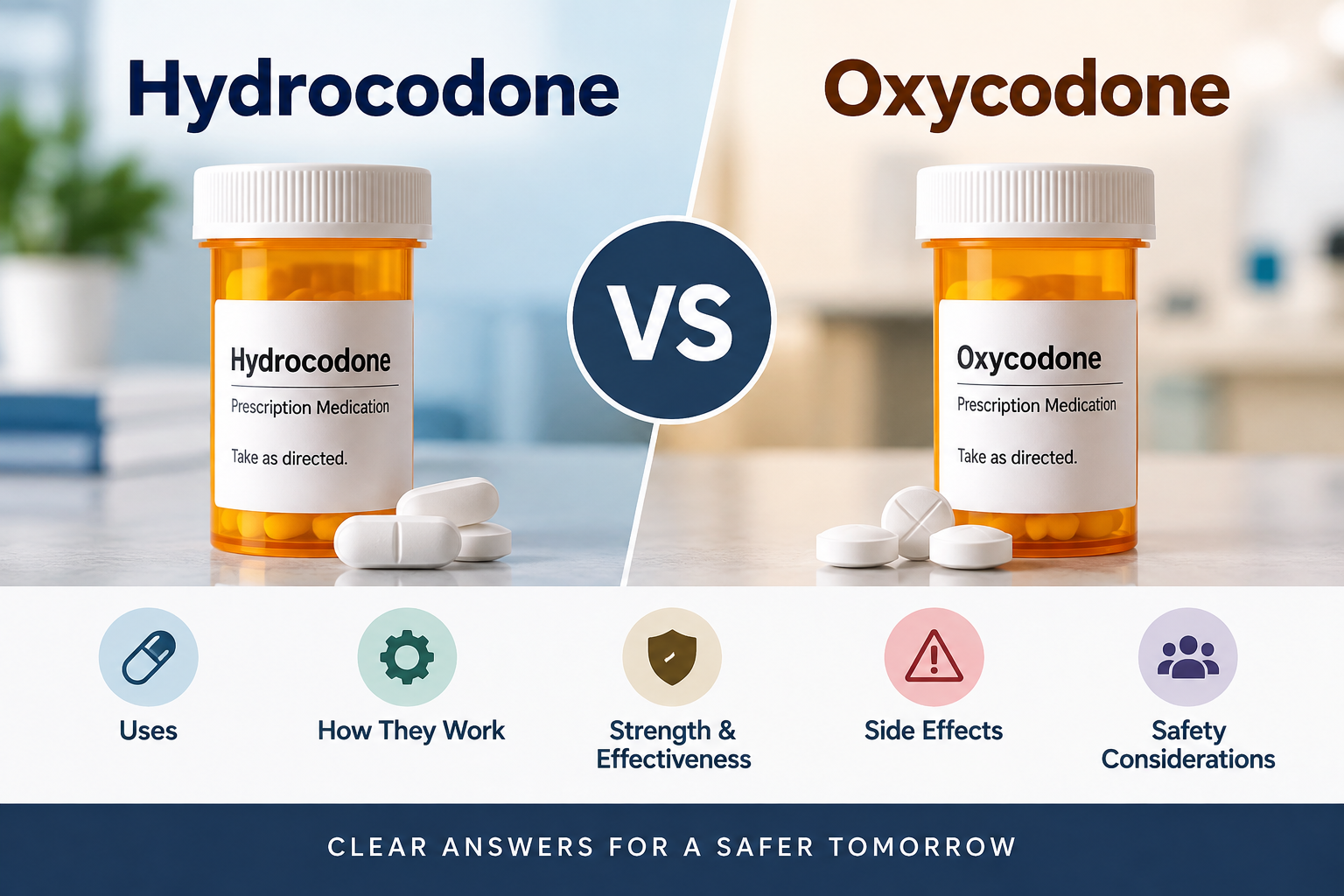
Hydrocodone vs. Oxycodone: What’s the Difference?

Choosing between hydrocodone and oxycodone is rarely about a simple better-or-stronger label. Both are opioid pain medicines, and both share important benefits, risks, and prescribing limits. CDC guidance notes evidence for opioids mainly supports short-term pain relief, which frames this comparison.

The key differences usually turn on dose, formulation, timing, and clinical use. That distinction matters for pain control, side effects, dependence, and regulation. From there, each area needs a closer, more practical look before treatment decisions.

Buy Hydrocodone Online

Buy Oxycodone Online 80 mg


Defining Hydrocodone and Oxycodone: Core Characteristics


Hydrocodone and oxycodone are best understood first as opioid pain medicines, not interchangeable labels. Each sits in the same broad drug class, which helps explain why they are often discussed together.

What matters at this stage is the category: both are prescribed for pain, and both carry the core benefits and risks linked to opioids. CDC guidance in Morbidity and Mortality Weekly Report says opioid evidence supports short-term pain relief and some functional improvement, mainly in trials lasting 12 weeks or less.

That matters because the shared opioid profile is clearer than any simple one-drug-versus-the-other shortcut. It also sets a limit. The CDC notes that opioid recommendations vary, including dosing thresholds from 90 to 200 MME per day, so careful comparison depends on dose, formulation, and clinical use.
 

How These Opioids Work in the Body


Because both drugs fall under the opioid label, the first body-level takeaway is shared action, not a completely separate category. 

  • Oregon.gov lists hydrocodone and oxycodone among medically used opioids. That means the body meets them through the same broad drug class before dose, product design, or prescribing context shape the experience further.
  • That shared class matters for interpretation. If two medicines sit in the same opioid group, a simple works one way versus the other shortcut usually misses the bigger point.
  • There is also a boundary here. The Oregon.gov page mainly clarifies drug grouping and language, not a detailed receptor-by-receptor comparison, so body effects still need to be weighed alongside formulation and clinical use.
  • For readers, the practical implication is clear: compare these medicines as related opioids first, then look at the specific product details that can change how strongly or how long each one acts.

Medical Uses: Similarities and Distinctions


Clinically, the overlap is larger than the split. Both medicines are used in pain treatment. The real question is usually more specific. It is how a prescriber matches a product, strength, and schedule to the clinical situation.

That is where differences start to matter. In practice, medical use depends on the type of pain. It also depends on how long relief needs to last. Treatment goals matter too, especially when care is brief versus ongoing.

Those factors shape use more than a simple stronger-versus-weaker label. For readers comparing hydrocodone and oxycodone, the useful takeaway is to look at the intended pain setting, product form, and timing of relief, not just the drug name when weighing likely clinical fit.
 

Potential Side Effects and Safety Considerations


Safety questions around these opioids are less about a simple drug winner and more about how opioid treatment is managed over time. 

  1. Starting treatment is one safety checkpoint. The CDC clinical practice guideline frames opioid decisions around whether starting an opioid makes sense at all.
  2. items 2???
  3. Dose is another checkpoint. The same CDC guideline treats opioid selection and dosage as safety issues, not just pain-control choices.
  4. Duration and follow-up matter too. The CDC notes that initial prescribing length and reassessment are part of addressing potential harms.
  5. Risk review has to stay broader than the pill itself. CDC says opioid recommendations weigh benefits, harms, patient and clinician values, and resources, so the safer comparison is the one tied to prescribing context.

Comparing Effectiveness for Pain Management


Effectiveness is not a simple across-the-board win for either drug. The clearest comparison here comes from postoperative joint replacement care, not every pain setting. In a cohort study summarized by Scholars@Duke, hydrocodone and oxycodone were used after elective joint arthroplasty within a multimodal pain plan that also included nonopioid treatment.

Among 663 CYP2D6 normal metabolizers treated at 5 US surgery sites from 2021 to 2023, hydrocodone was linked to slightly lower composite pain scores by day 10 and lower cumulative morphine milligram equivalents over 10 days.

That suggests similar pain relief with less total opioid exposure in that specific setting. Still, the boundary matters. The study focused on normal metabolizers after surgery, so it does not settle which drug works better for every patient or every kind of pain.

For readers, effectiveness depends on the clinical context as much as the drug name.


Dependency Risks and Withdrawal Differences


Dependence risk matters here because both medicines can create physical reliance over time. 

  • Physical dependence is not the same as addiction. The body adapts, so sudden stopping can bring withdrawal.
  • That shared opioid effect makes a simple safer-versus-riskier ranking hard to support. Dose, duration, and patient history often matter more.
  • Withdrawal can overlap for both drugs, including restlessness, body aches, and stomach upset. Severity often tracks exposure and treatment length.
  • Longer use usually raises more concern than brief, closely managed treatment. Still, no fixed timeline predicts exactly who will struggle.
  • The practical takeaway is careful tapering rather than abrupt discontinuation. For readers, context around prescribing remains more useful than the drug name alone.

Legal Status, Regulations, and Prescription Trends


Regulation shapes the comparison as much as chemistry does. Both drugs sit inside the same controlled opioid framework, so prescribing trends reflect broader policy pressures, not just one label. A Congress.gov report says opioid use patterns in the United States are influenced by clinical guidance, prescribing rules, monitoring programs, payment systems, and access to other pain treatments.

That matters when readers see rising or falling prescription counts. Raw counts can miss prescription length, pill number, and potency. The same report notes several tracking methods, including total prescriptions and morphine milligram equivalents, or MMEs.

Even MMEs have limits, since conversion tables can vary by source. So legal status and trend data help with context, but they do not prove one drug is categorically preferred, safer, or more tightly regulated in everyday practice.

Rather, hydrocodone and oxycodone differ in use more than in basic category. Both are opioid pain medicines, so neither stands out as a universal best choice. The clearest distinction comes from dose, formulation, timing, and the clinical setting.

One postoperative study linked hydrocodone to similar relief with less opioid exposure, but only in normal metabolizers after joint surgery. CDC guidance also frames opioid decisions around short-term benefit and careful risk review.

In practice, the safer comparison asks which product fits the patient and prescribing context most closely.

0
    0
    Your Cart
    Empty CartYour cart is emptyReturn to Shop
    Secure Checkout
    Fast Shipping
    Easy Returns