



Tapentadol 100 mg: Uses, Dosage, Side Effects, Interactions & Safety
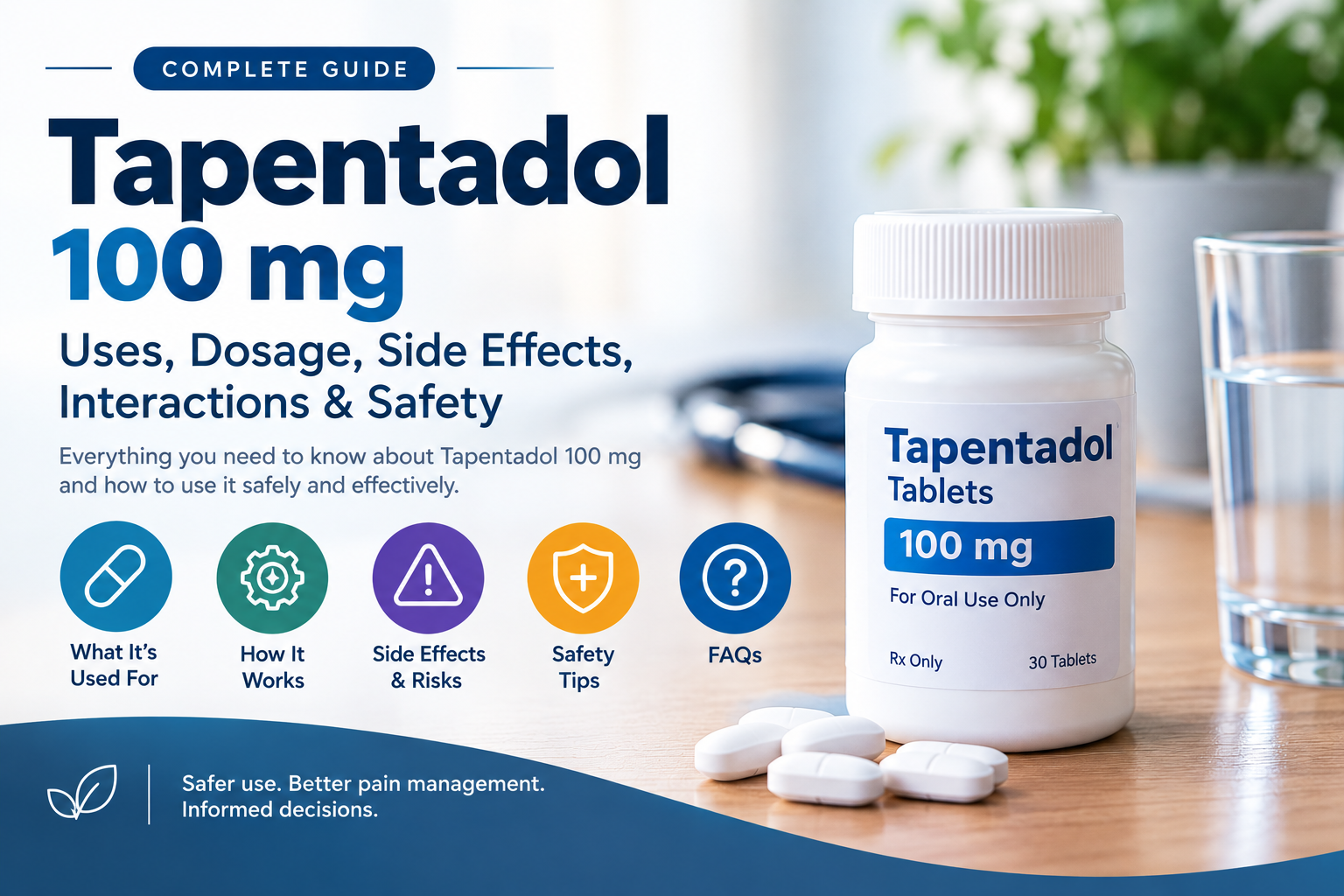
Tapentadol 100 mg is a prescription opioid pain medicine used to treat certain types of moderate to severe pain in adults. It has a dual action: it activates opioid receptors involved in pain perception and also reduces the reuptake of norepinephrine, which helps modify pain signals in the central nervous system.
Because tapentadol is an opioid, it can cause drowsiness, respiratory depression, misuse, addiction, physical dependence, and overdose. It should therefore be taken only under the direction of a qualified healthcare professional.
This guide explains what Tapentadol 100 mg is used for, how it works, common and serious side effects, precautions, drug interactions, and other important safety information.
Important: This article is for general educational purposes and does not replace advice from a doctor or pharmacist. Take tapentadol only as prescribed.
What Is Tapentadol 100 mg?
Tapentadol 100 mg contains 100 mg of tapentadol, an opioid analgesic available in immediate-release and extended-release formulations.
The appropriate formulation depends on the type and duration of pain being treated. Immediate-release tapentadol may be used for certain acute pain situations, while extended-release formulations are used for appropriate patients requiring around-the-clock management of specific persistent pain conditions.
Tapentadol is a controlled prescription medicine because of its potential for misuse, abuse, addiction, and dependence.
What Is Tapentadol 100 mg Used For?
Doctors may prescribe tapentadol when prescription-strength pain relief is appropriate and other treatment options have not provided adequate relief or are not suitable.
Depending on the formulation and individual circumstances, tapentadol may be prescribed for:
- Moderate to severe acute pain
- Certain persistent or chronic pain conditions
- Pain requiring an opioid analgesic under medical supervision
- Pain that has not responded adequately to other treatment options
Whether tapentadol is appropriate depends on the cause and severity of the pain, other medical conditions, current medications, and the individual’s risk factors.
How Does Tapentadol Work?
Tapentadol works through two complementary mechanisms.
First, it acts as an opioid receptor agonist. This reduces how strongly the brain and nervous system perceive pain.
Second, tapentadol inhibits the reuptake of norepinephrine, a chemical messenger involved in regulating pain signals. This second mechanism contributes to its analgesic effect.
Because tapentadol affects the central nervous system, it can also cause side effects such as sleepiness, dizziness, and impaired alertness.
Tapentadol 100 mg Dosage
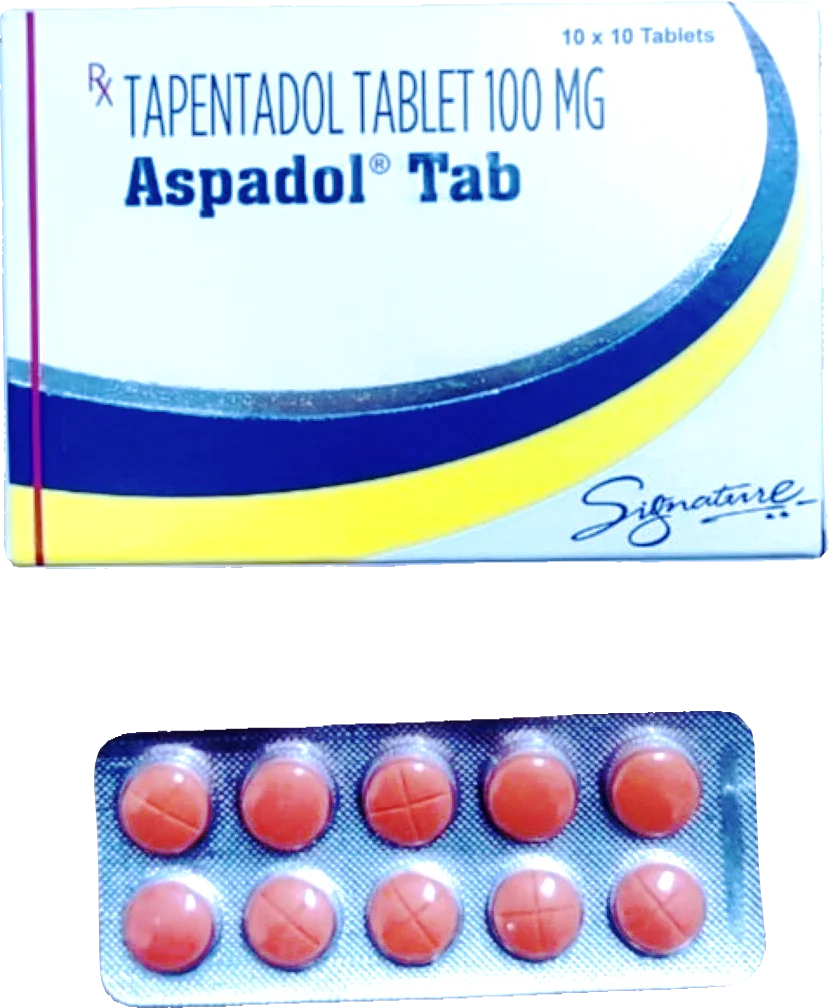
The appropriate tapentadol dose varies according to the formulation, the condition being treated, previous opioid exposure, other medications, and the patient’s overall health.
Do not use the 100 mg strength as a standard dose without a prescription. A healthcare provider determines the appropriate strength and dosing schedule for each patient.
If you have been prescribed an extended-release formulation, follow the product-specific instructions carefully. Extended-release tablets generally should not be crushed, chewed, or broken because doing so can release the medicine too quickly and potentially cause a dangerous overdose.
Never increase your dose or take tapentadol more frequently than prescribed.
How to Take Tapentadol 100 mg Safely
Follow your prescription label and your healthcare provider’s instructions carefully.
Important precautions include:
- Take tapentadol exactly as prescribed.
- Do not take more than the recommended amount.
- Do not share your medication with anyone else.
- Swallow tablets with water as directed.
- Do not crush or chew extended-release tablets.
- Avoid alcohol while taking tapentadol.
- Do not drive until you know how the medicine affects your alertness and coordination.
- Tell your healthcare provider about all other medicines and supplements you take.
- Do not suddenly stop long-term treatment without medical advice.
If you have questions about your prescribed dose, speak with your doctor or pharmacist rather than changing it yourself.
Tapentadol 100 mg Side Effects
Like other prescription medicines, tapentadol can cause side effects. Some are relatively common, while others require immediate medical attention.
Common Side Effects of Tapentadol
Commonly reported side effects may include:
- Nausea
- Dizziness
- Drowsiness
- Vomiting
- Constipation
- Headache
These effects may be more noticeable when treatment is first started or when the dose is changed.
Contact your healthcare provider if side effects are persistent, severe, or interfere with your normal activities.
Serious Side Effects
Tapentadol can cause serious and potentially life-threatening reactions, particularly when taken incorrectly or combined with other central nervous system depressants.
Seek emergency medical attention for symptoms such as:
- Slow, shallow, or difficult breathing
- Extreme sleepiness or inability to wake
- Loss of consciousness
- Severe confusion
- Seizures
- Signs of a serious allergic reaction
- Suspected opioid overdose
Breathing problems and extreme sedation should be treated as an emergency.
Tapentadol and Respiratory Depression
One of the most serious risks associated with opioid medicines is respiratory depression, in which breathing becomes dangerously slow or shallow.
The risk can be higher when tapentadol is taken in excessive amounts or combined with alcohol, benzodiazepines, other opioids, or other medicines that suppress the central nervous system.
If someone taking tapentadol becomes extremely difficult to wake or has slow or abnormal breathing, seek emergency medical help immediately.
Is Tapentadol 100 mg Addictive?
Tapentadol can be habit-forming and has the potential for misuse, addiction, and physical dependence.
Physical dependence can develop when the body becomes accustomed to regular opioid exposure. This is different from addiction, which involves compulsive drug use despite harmful consequences, although both can occur.
The risk may increase with higher doses, prolonged treatment, misuse, or a personal or family history of substance-use problems.
Use tapentadol only as prescribed and keep the medication in a secure location.
Tapentadol Drug Interactions
Before taking tapentadol, tell your healthcare provider about every medicine, supplement, and herbal product you use.
Important interactions may involve:
- Other opioid medicines
- Benzodiazepines
- Sleeping medicines and sedatives
- Muscle relaxants
- Alcohol
- Certain antidepressants
- MAO inhibitors
- Other medicines that affect the central nervous system
Combining tapentadol with other sedating substances can increase the risk of severe drowsiness, respiratory depression, coma, and death.
Tapentadol and Alcohol
Avoid alcohol while taking tapentadol.
Alcohol can intensify the sedative effects of tapentadol and increase the risk of dangerous breathing problems, extreme drowsiness, loss of consciousness, and overdose.
Do not assume that a small amount of alcohol is safe. Ask your healthcare provider if you are unsure.
Tapentadol and Benzodiazepines
Taking tapentadol with benzodiazepines can significantly increase central nervous system depression.
Medicines in this category include certain drugs prescribed for anxiety, insomnia, or seizures. If both medicines are medically necessary, your healthcare provider may need to monitor you closely and adjust treatment appropriately.
Who Should Not Take Tapentadol 100 mg?
Tapentadol may not be suitable for everyone.
It should generally not be used in people with:
- A known allergy to tapentadol
- Significant respiratory depression
- Severe or uncontrolled asthma in an unmonitored setting
- Known or suspected gastrointestinal obstruction, including paralytic ileus
Your healthcare provider should also know if you have liver or kidney problems, breathing disorders, a seizure history, a history of substance misuse, or other significant medical conditions.
Precautions Before Taking Tapentadol
Before starting treatment, tell your healthcare provider if you have:
- Asthma, COPD, sleep apnea, or another breathing disorder
- Liver or kidney disease
- A history of seizures
- A history of substance misuse or opioid dependence
- A head injury or condition that increases pressure inside the skull
- Depression or another mental health condition
- Problems with intestinal or stomach function
- Pregnancy or plans to become pregnant
- Breastfeeding
Providing a complete medical history helps your healthcare provider determine whether tapentadol is appropriate for you.
Can Tapentadol Affect Driving?
Yes. Tapentadol may cause drowsiness, dizziness, blurred thinking, or impaired coordination.
Do not drive, operate heavy machinery, or perform activities requiring full concentration until you know how the medicine affects you.
These effects may be particularly noticeable when you first begin treatment or after a dose increase.
Tapentadol During Pregnancy and Breastfeeding
If you are pregnant, planning to become pregnant, or breastfeeding, discuss tapentadol with your healthcare provider before using it.
Regular opioid use during pregnancy can affect the newborn and may lead to neonatal opioid withdrawal. Opioids can also pass into breast milk and may affect a nursing infant.
Your doctor can help you weigh the potential benefits and risks and determine the most appropriate treatment.
What Happens If You Miss a Dose?
The instructions for a missed dose depend on the tapentadol formulation and your prescribed schedule.
Follow your prescription instructions or ask your pharmacist what to do. Do not take an extra dose to compensate for a missed one.
If you are taking an extended-release formulation, do not alter your dosing schedule without medical advice.
What Happens If You Take Too Much Tapentadol?
Taking more tapentadol than prescribed can result in a potentially life-threatening overdose.
Warning signs can include:
- Very slow or shallow breathing
- Extreme sleepiness
- Inability to wake up
- Weakness or limpness
- Loss of consciousness
- Confusion
If you suspect an opioid overdose, seek emergency medical assistance immediately. If naloxone is available and appropriate, use it according to its instructions while emergency help is being contacted.
Store tapentadol according to the instructions provided with your prescription.
As a general precaution:
- Keep it in a secure, dry location.
- Protect it from excessive heat and moisture.
- Keep it in its original packaging when possible.
- Keep it out of reach of children and pets.
- Do not give your medication to anyone else.
- Dispose of unused tablets through an appropriate medication take-back program when available.
Because tapentadol is an opioid with misuse potential, secure storage is particularly important.
Frequently Asked Questions About Tapentadol 100 mg
Is Tapentadol 100 mg a strong painkiller?
Tapentadol is a prescription opioid analgesic used for moderate to severe pain in appropriate patients. Its strength and suitability depend on the formulation, individual patient factors, and previous opioid exposure.
Is Tapentadol 100 mg addictive?
Yes. Tapentadol has the potential for misuse, addiction, and physical dependence. Taking it exactly as prescribed can help reduce unnecessary risks, but dependence can still occur with regular opioid treatment.
Can I take Tapentadol 100 mg with alcohol?
No. Alcohol can increase tapentadol’s effects on the central nervous system and significantly raise the risk of dangerous sedation and respiratory depression.
Does Tapentadol make you sleepy?
It can. Drowsiness and dizziness are common possible effects. Avoid driving or operating machinery until you know how tapentadol affects you.
Can Tapentadol be taken with other painkillers?
That depends on the specific medicine. Some combinations can increase sedation or other risks. Always tell your healthcare provider about other pain medicines, including prescription and over-the-counter products, before combining them with tapentadol.
Can older adults take Tapentadol?
Older adults may be more sensitive to opioid-related side effects, including dizziness, sedation, and respiratory depression. A healthcare provider should determine whether tapentadol is appropriate and what dose is suitable.
Can I stop Tapentadol suddenly?
If you have been taking tapentadol regularly for an extended period, do not stop it suddenly without speaking with your healthcare provider. Abrupt discontinuation can cause withdrawal symptoms.
What should I do if I accidentally take too much Tapentadol?
An excessive dose can cause a potentially life-threatening opioid overdose. If you think you or someone else has taken too much, seek emergency medical assistance immediately rather than waiting for symptoms to appear.
Final Thoughts
Tapentadol 100 mg is a prescription opioid medicine that can provide relief from certain types of moderate to severe pain. Its dual mechanism—opioid receptor activity combined with norepinephrine reuptake inhibition—distinguishes it from many traditional opioid pain medicines.
However, tapentadol also carries important risks, including respiratory depression, misuse, addiction, dependence, withdrawal, and overdose. These risks can become substantially greater when tapentadol is combined with alcohol, benzodiazepines, other opioids, or other central nervous system depressants.
Use Tapentadol 100 mg only under appropriate medical supervision, follow your prescription carefully, and contact your healthcare provider or pharmacist if you have questions about your treatment.